Lanes and lines
Choose the right lane, read the white and orange lines, and handle merging, bus lanes and road works.
Section 1Lanes and position
Lanes
Official source · art. 2.2 · last amended 2024-02-01"Rijstrook", elk deel van een rijbaan die in haar langsrichting verdeeld is door: a) één of meer witte doorlopende of onderbroken strepen.Open the full article on Justel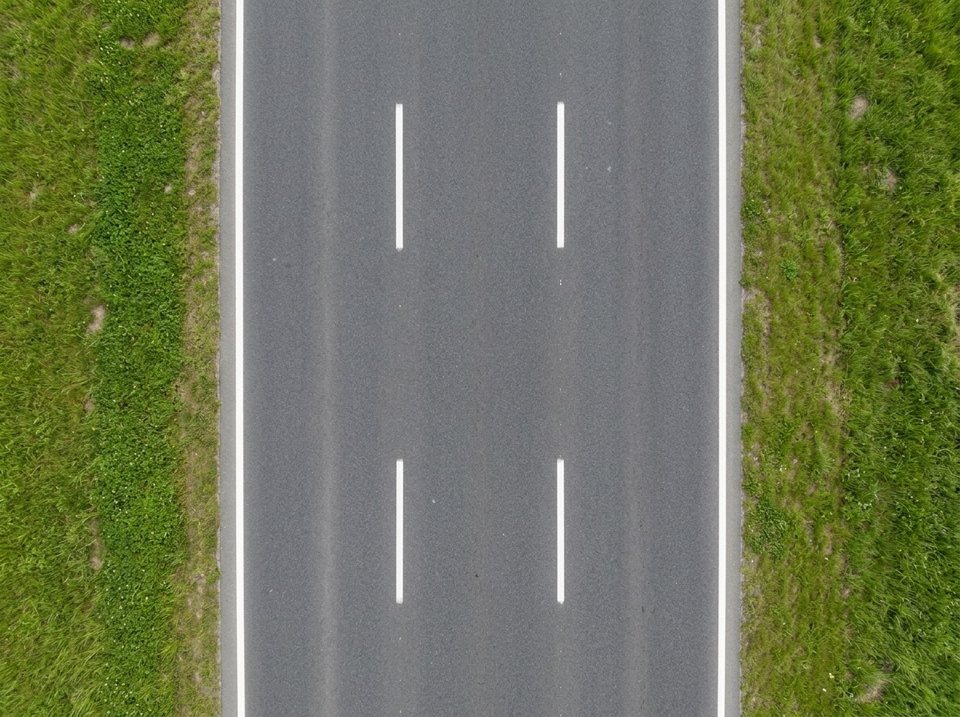
Broken white lines divide this carriageway into three lanes.
Arrows on the lanes
Official source · art. 77.1 · last amended 2022-10-01Op het kruispunt moeten de bestuurders bovendien de of een van de richtingen volgen die aangewezen zijn op de rijstrook waarin zij zich bevinden.Open the full article on Justel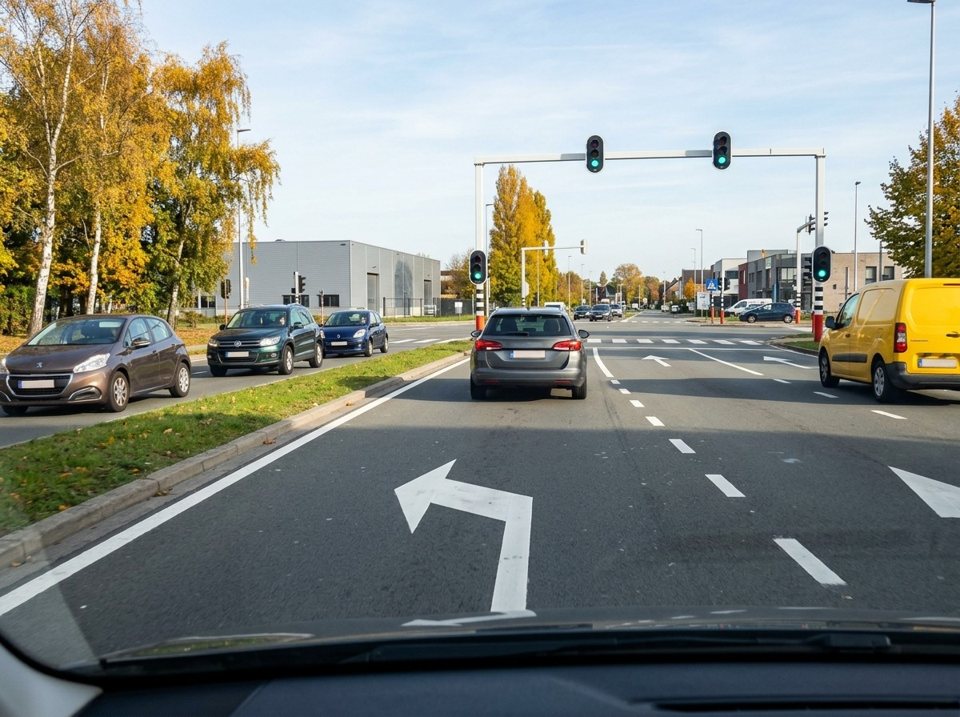
The painted arrow on the road surface shows the direction you must follow at the junction, meaning drivers in this lane must turn left.
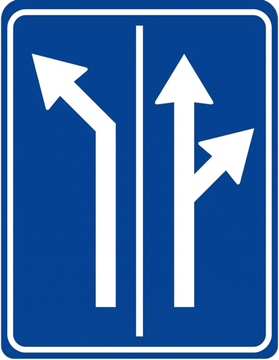 Lane choice: two lanes
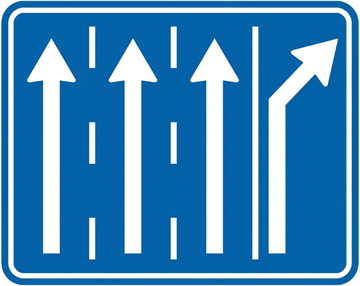 Lane choice: four lanes
Keep right
Official source · art. 9.3.1 · last amended 2004-04-30Elke bestuurder die de rijbaan volgt moet zo dicht mogelijk bij de rechterrand van die rijbaan blijvenOpen the full article on JustelOfficial source · art. 9.4 · last amended 2022-10-01Binnen de bebouwde kommen mogen de bestuurders de rijstrook volgen die het best aan hun bestemming beantwoordt: 1° op de rijbanen met eenrichtingsverkeer in rijstroken verdeeld; 2° op de rijbanen met tweerichtingsverkeer in vier of meer rijstroken verdeeld, waarvan er ten minste twee bestemd zijn voor iedere rijrichting.Open the full article on JustelOfficial source · art. 9.2 · last amended 2022-10-01Wanneer de openbare weg twee of drie rijbanen omvat die duidelijk van elkaar gescheiden zijn, inzonderheid door een effen grond, een niet voor voertuigen toegankelijke ruimte, een verschil in niveau, mogen de bestuurders de ten opzichte van hun rijrichting links gelegen rijbaan niet volgen, …Open the full article on Justel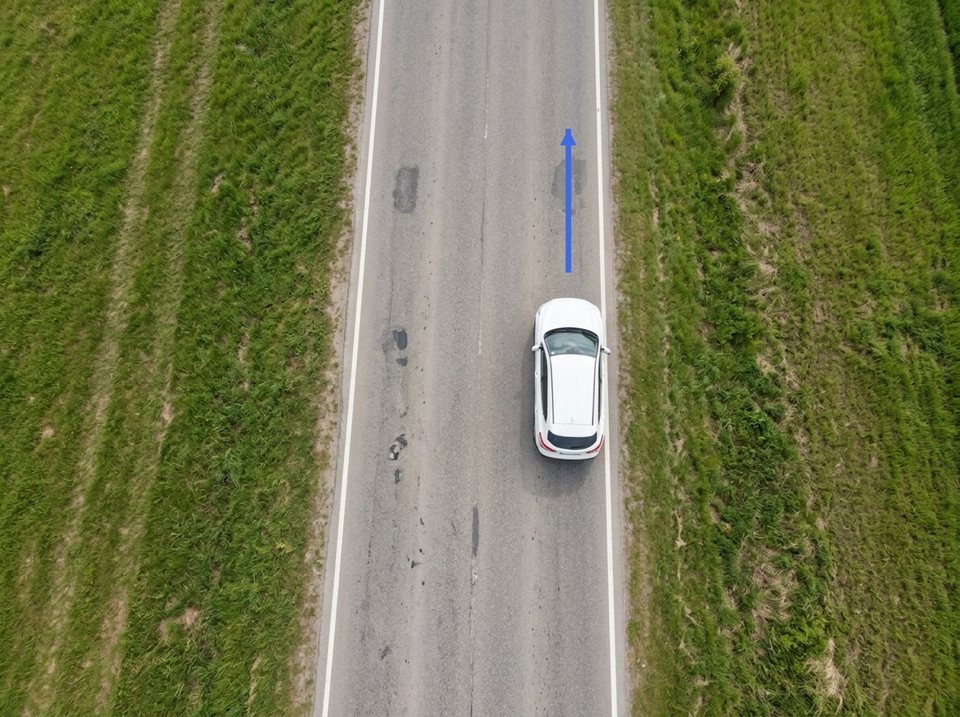
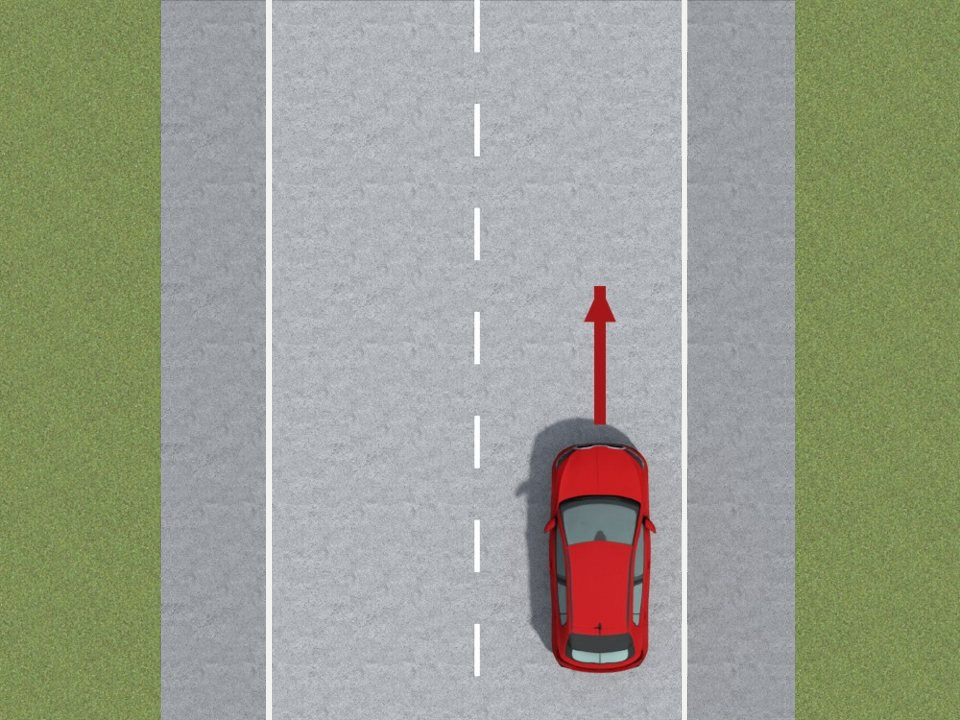
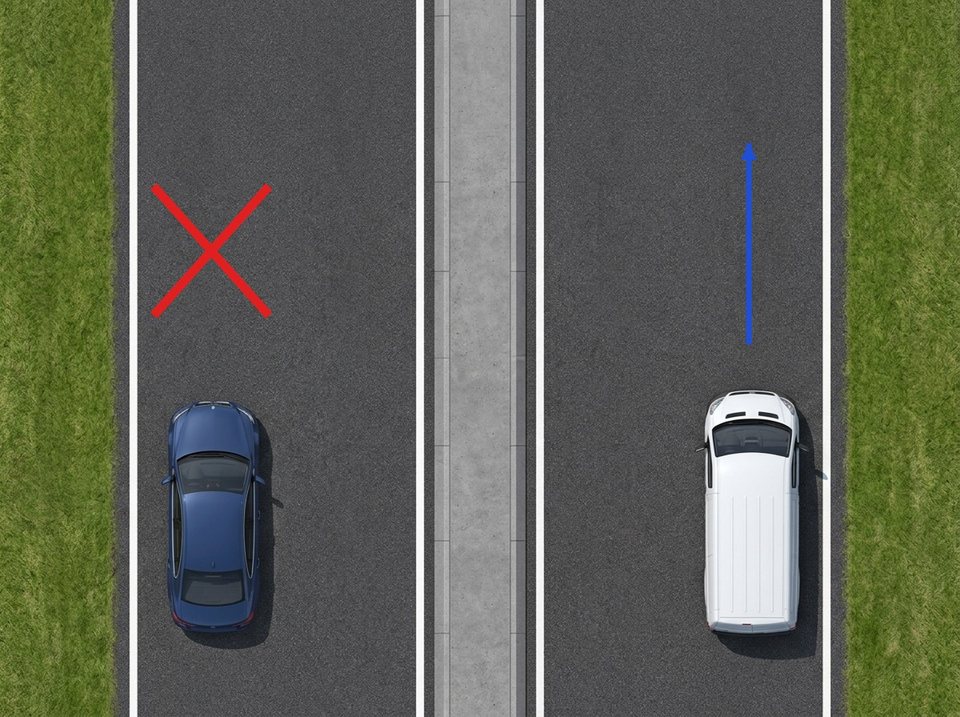
Drivers must stay as far to the right of the carriageway as possible. The white crossover SUV correctly follows the right side rather than driving in the middle.
Section 2Lines and overtaking
Broken line
Official source · art. 72.3 · last amended 2023-04-01Een onderbroken streep betekent dat het iedere bestuurder verboden is deze te overschrijden, behalve om in te halen, om links af te slaan, om te keren of om van rijstrook te veranderen.Open the full article on JustelOfficial source · art. 72.1 · last amended 2023-04-01Deze wegmarkeringen zijn wit en kunnen bestaan uit : 1° een doorlopende streep; 2° een onderbroken streep; 3° een naast elkaar getrokken doorlopende en onderbroken streep.Open the full article on Justel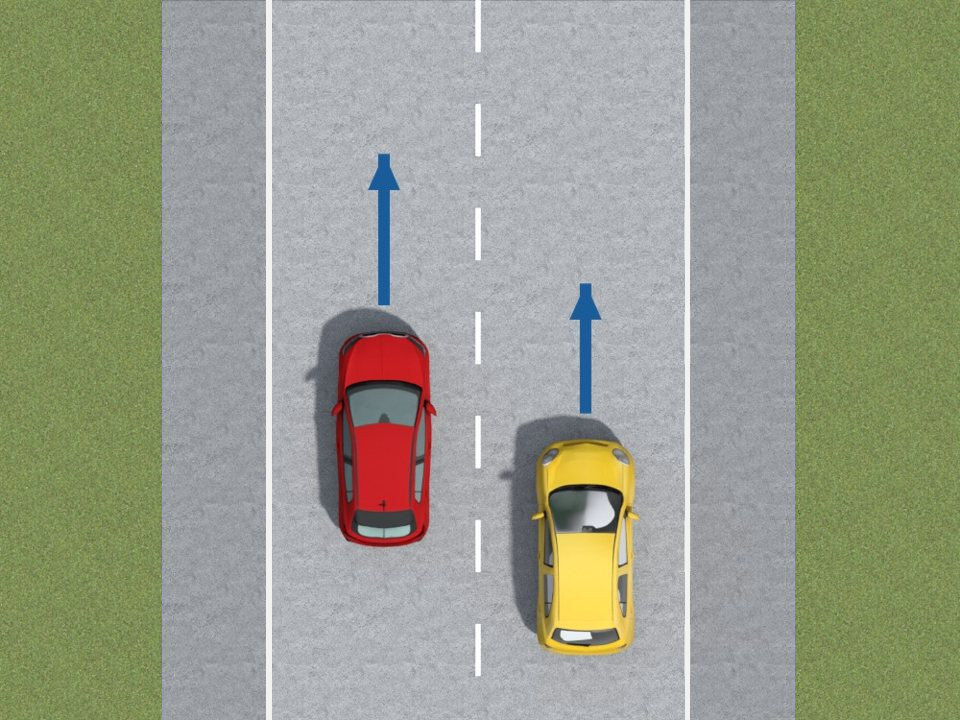
You may cross the broken white line to overtake. Here, the faster bright red car uses the left lane to pass the slower yellow car.
Solid line
Official source · art. 72.2 · last amended 2023-04-01Een doorlopende streep betekent dat het iedere bestuurder verboden is deze te overschrijden.Open the full article on JustelA solid white line
Solid and broken line side by side
Official source · art. 72.4 · last amended 2023-04-01Wanneer een doorlopende en een onderbroken streep naast elkaar getrokken zijn, moet de bestuurder alleen rekening houden met de streep die zich aan zijn kant bevindt.Open the full article on Justel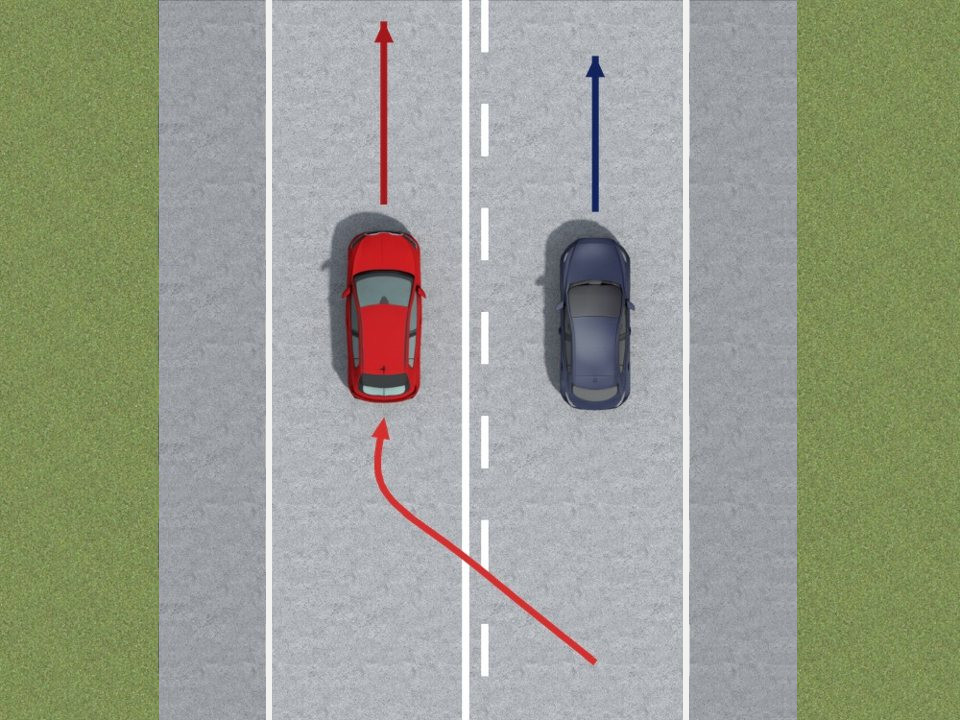
The red car had the broken line on its side, so it could cross to overtake. To return to the right it may cross the solid line.
Slanted white lines (gore)
Official source · art. 77.4 · last amended 1997-10-01De bestuurders mogen niet rijden, stilstaan of parkeren op deze markeringen.Open the full article on Justel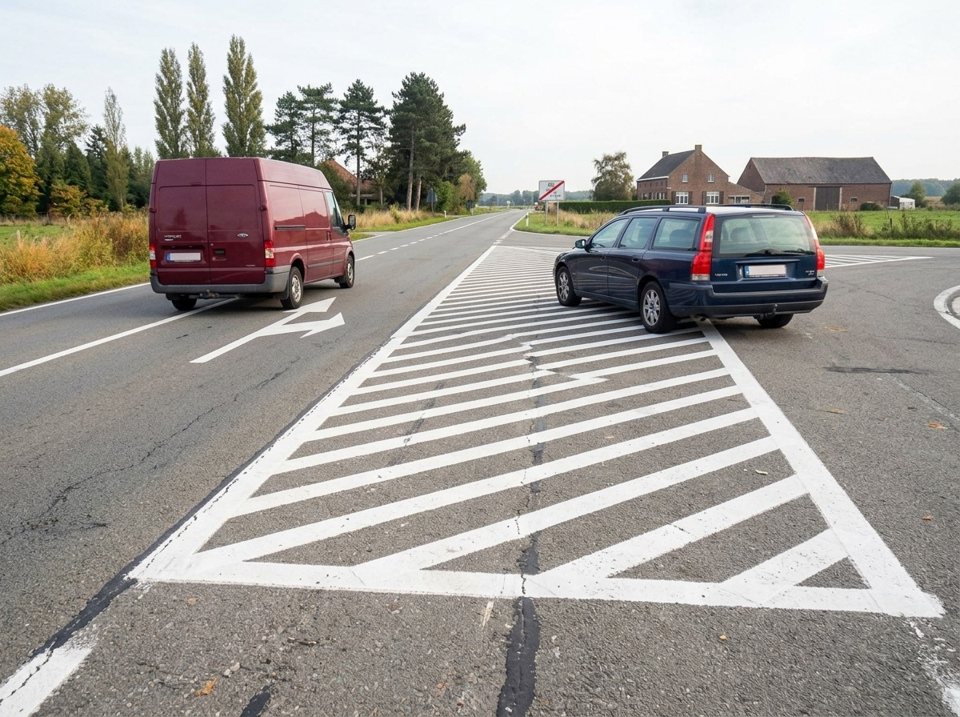
A dark blue estate car is on a traffic displacement area marked with slanted white lines. Driving, waiting, or parking on a gore is not allowed.
Section 3When a lane ends
Lane reduction signs
Official source · art. 71.2 · last amended 2022-10-0171.2. De voornaamste aanwijzingsborden worden hierna afgebeeld.Open the full article on Justel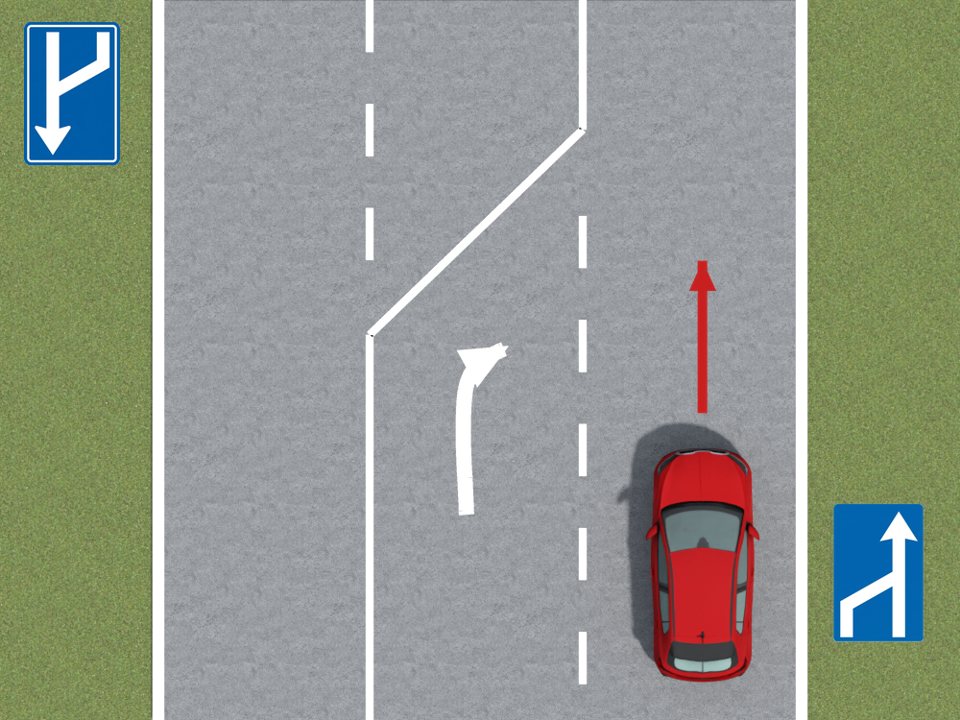
The blue sign on the right indicates a lane reduction on the left. The road markings show this reduction as the bright red car drives in the right lane.
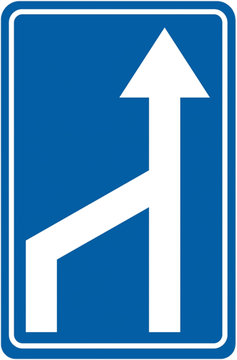 Left lane ends
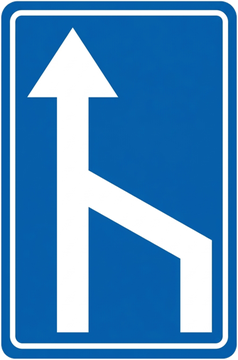 Right lane ends
Zip merging: when
Official source · art. 12bisDe bestuurders die, bij sterk vertraagd verkeer, rijden op een rijstrook die ophoudt of waarop het verder rijden wordt verhinderd, mogen slechts vlak voor de versmalling invoegen in de aangrenzende vrije rijstrook.Open the full article on Justel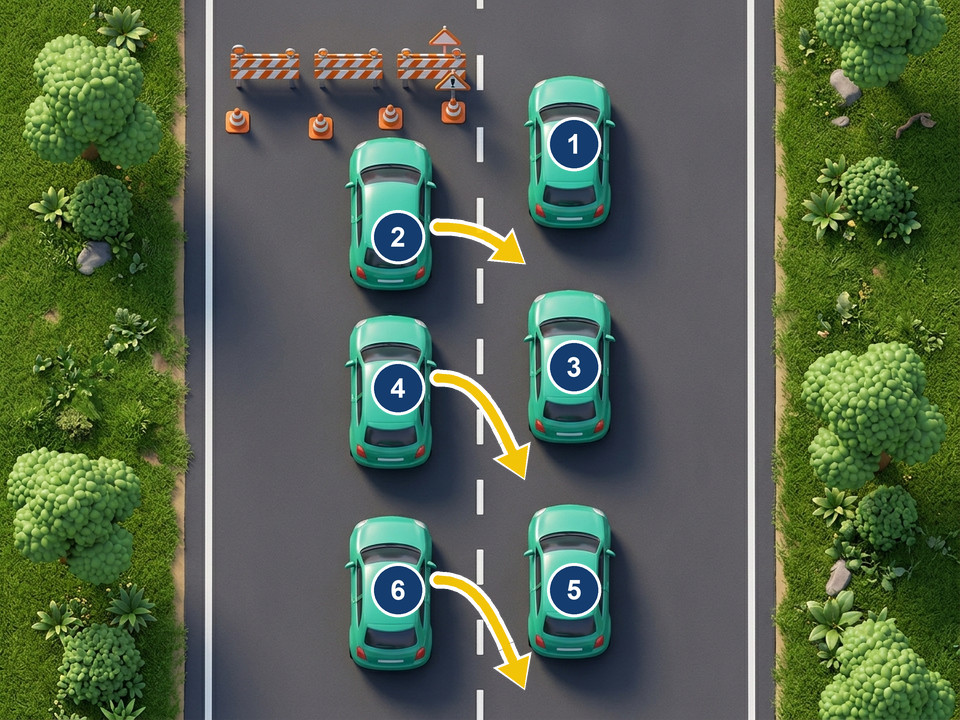
When a lane is closed and traffic is slow, cars merge like a zip, one from each side in turn: 1, 2, 3 and so on up to 6. The yellow arrows show the cars from the closed lane crossing into the gaps.
Zip merging: how
Official source · art. 12bisDe bestuurders die, bij sterk vertraagd verkeer, rijden op een rijstrook die ophoudt of waarop het verder rijden wordt verhinderd, mogen slechts vlak voor de versmalling invoegen in de aangrenzende vrije rijstrook.Open the full article on JustelZip merge
Section 4Bus lanes
What a bus lane is
Official source · art. 72.5 · last amended 2023-04-0172.5. Busstrook. 1° Het verkeersbord F17 en één of twee brede witte onderbroken strepen of dambordmarkeringen bestaande uit witte vierkanten bakenen de busstrook af. De busstrook maakt geen deel uit van de rijbaan.Open the full article on JustelOfficial source · art. 72.6 · last amended 2023-04-0172.6. Bijzondere overrijdbare bedding. 1° Het verkeersbord F18 en één of twee brede witte doorlopende strepen of dambordmarkeringen bestaande uit witte vierkanten bakenen de bijzonder overrijdbare bedding af. De bijzonder overrijdbare bedding maakt geen deel uit van de rijbaan.Open the full article on Justel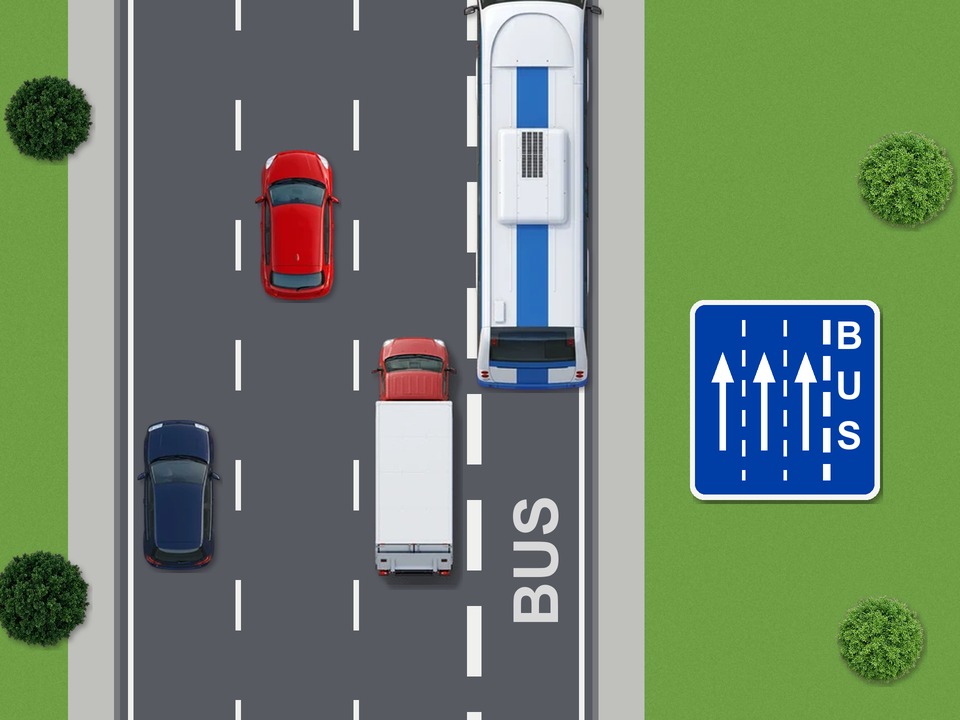
Sign F17 and a wide broken line mark a bus lane on the right of three ordinary lanes. Regular traffic, like the white van in the right-hand ordinary lane, must stay out of the bus lane and may not drive or stop in it.
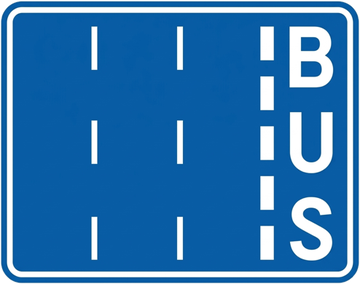 Bus lane on the right
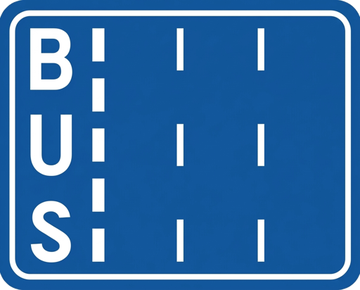 Bus lane on the left
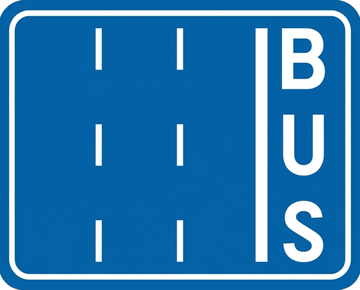 Solid line: special reserved route
Cars in a bus lane
Official source · art. 72.5 · last amended 2023-04-0172.5. Busstrook. 1° Het verkeersbord F17 en één of twee brede witte onderbroken strepen of dambordmarkeringen bestaande uit witte vierkanten bakenen de busstrook af. De busstrook maakt geen deel uit van de rijbaan.Open the full article on JustelThe bus lane
Other users of a bus lane
Official source · art. 72.5 · last amended 2023-04-0172.5. Busstrook. 1° Het verkeersbord F17 en één of twee brede witte onderbroken strepen of dambordmarkeringen bestaande uit witte vierkanten bakenen de busstrook af. De busstrook maakt geen deel uit van de rijbaan.Open the full article on JustelOfficial source · art. 85.33 · last amended 2026-07-1685.33. De voertuigen die gebruikt worden voor het schoolvervoer en de taxi’s mogen gebruik maken van de busstroken tot 31 mei 2027, ook in afwezigheid van het bord of van het woord bedoeld in artikel 72.5, a) en b).Open the full article on Justel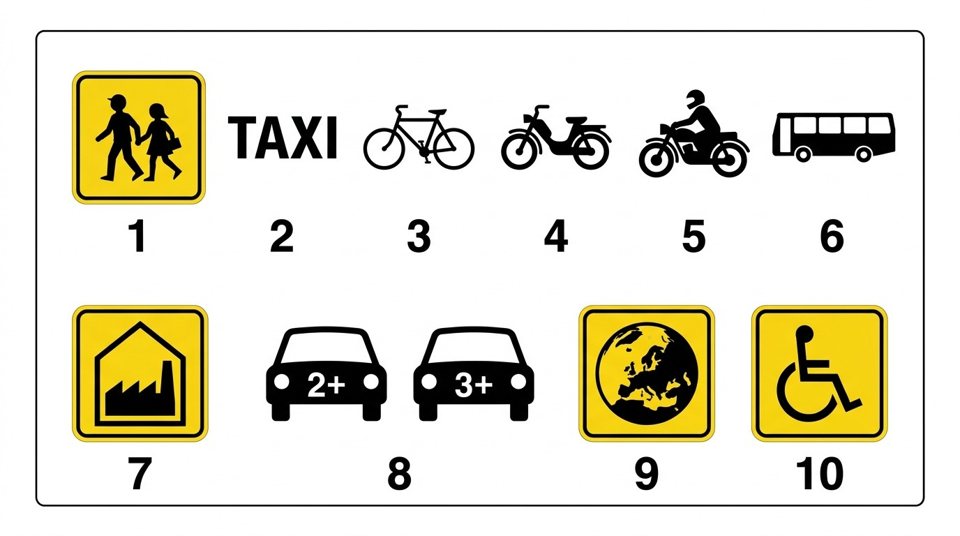
Plates under the bus-lane sign show who else may use the lane: 1 school transport, 2 taxis, 3 bicycles, 4 mopeds, 5 motorcycles, 6 buses and coaches, 7 commuter transport (home to work), 8 cars with at least 2 or 3 people, 9 vehicles promoting sustainable mobility, 10 vehicles transporting disabled people.
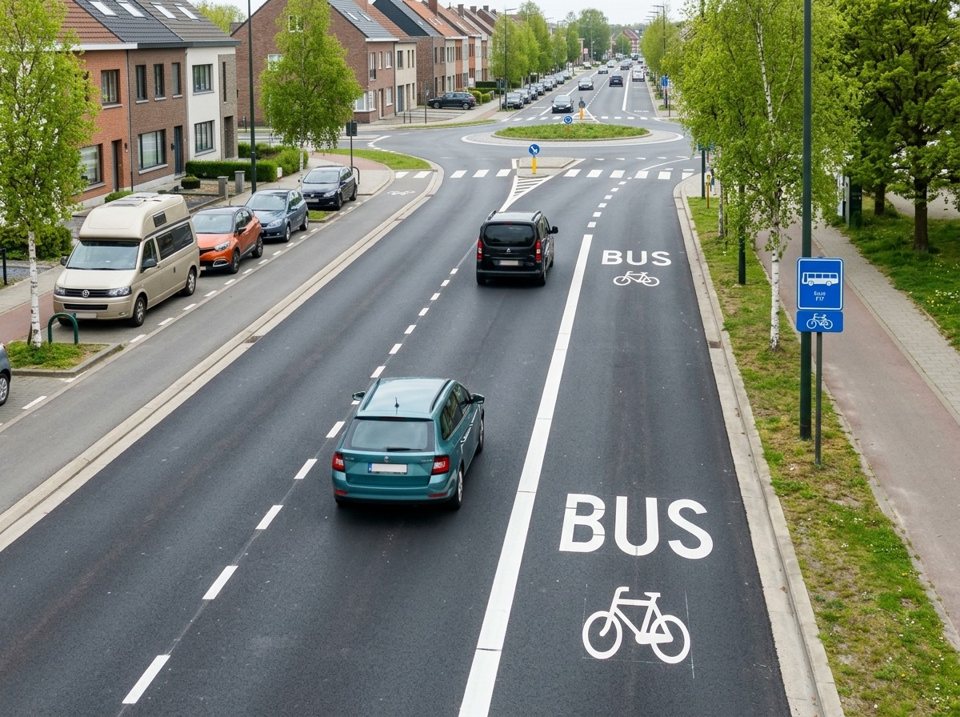
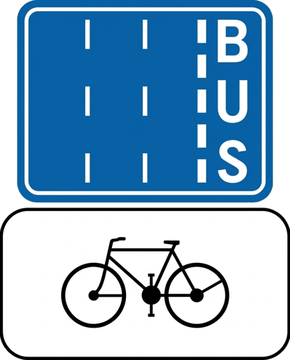 Bus lane open to cyclists
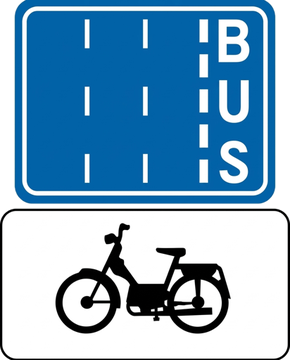 Bus lane open to mopeds
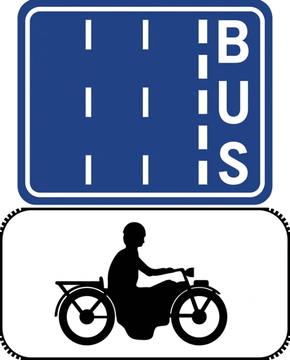 Bus lane open to motorcycles
Section 5Road works
Road works sign
Official source · art. 66.4 · last amended 2022-10-01De gevaarsborden worden hierna afgebeeld. [...] A25. Oversteekplaats voor fietsers en bestuurders van tweewielige bromfietsen of plaats waar die bestuurders van een fietspad op de rijbaan komen [...] A31. WerkenOpen the full article on Justel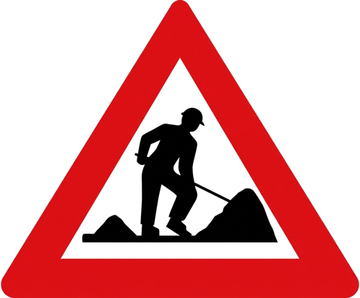 Road works (A31)
Orange lines
Official source · art. 73.4 · last amended 1997-10-01De voorlopige markeringen maken de andere witte overlangse markeringen die op dezelfde plaats zijn aangebracht waardeloos.Open the full article on Justel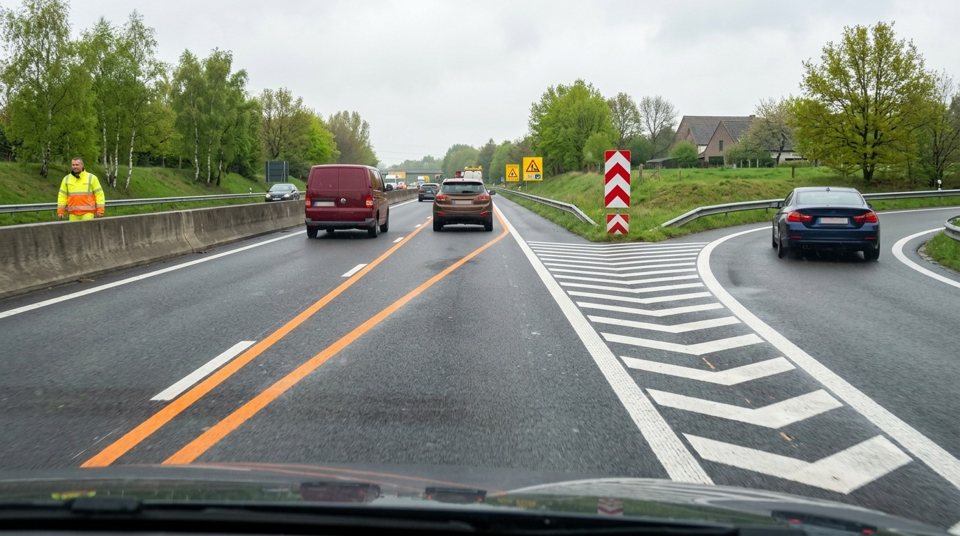
Orange lines at road works
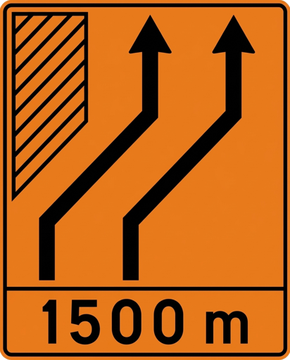 Temporary lane diversion ahead
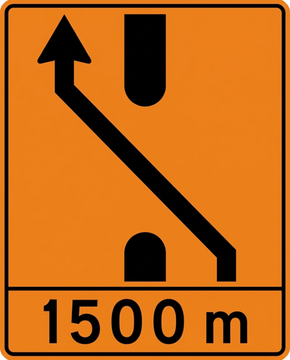 Crossover to the other carriageway
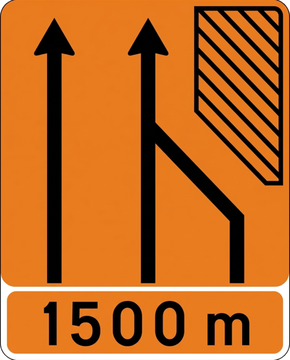 Temporary lane closure ahead
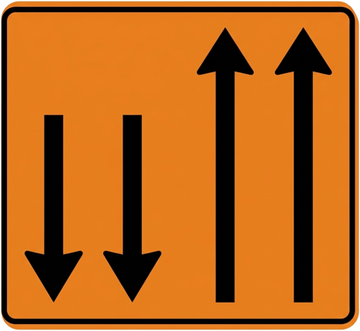 Two-way traffic on one-way carriageway
Test yourself
Pick a level. Questions you have not seen or got wrong come first.